
Gas Applications – Industries We Serve
For over 50 years, LeROl has delivered reliable compression solutions across a wide range of industries. Our diverse portfolio of compressor technologies supports critical applications in Oil & Gas, Industrial, Process, and even corrosive gas environments.
Whether your operation demands durability, flexibility, or precision performance, LeROl provides the right solution for your conditions.
Let’s solve challenges together.
Reach out today to see how we can support your specific application.
RENEWABLE NATURAL GAS
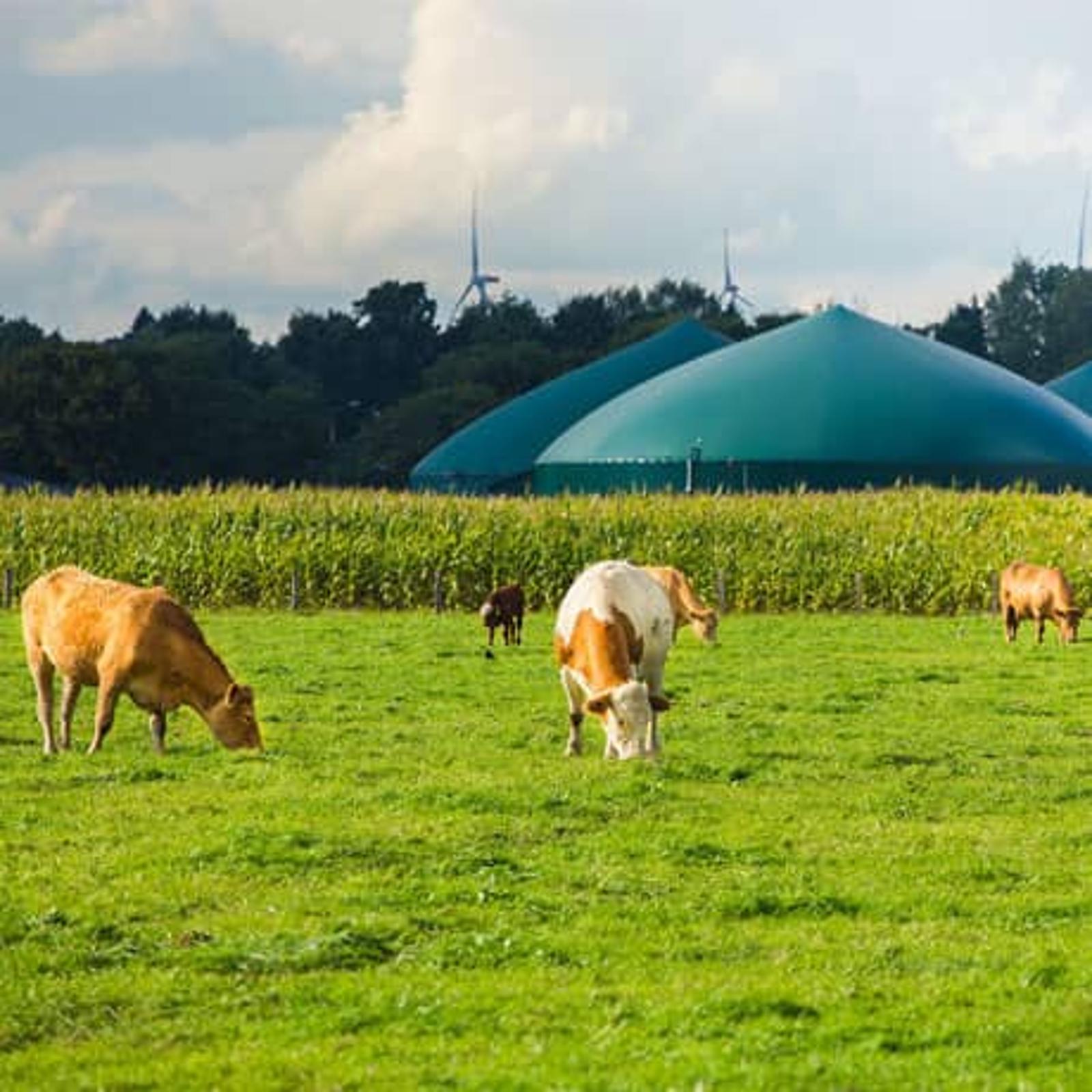
The market for biomethane compressors is growing as livestock operations and landfills seek environmentally friendly solutions for handling waste pollutants such as methane gas and carbon dioxide. LeROI biogas and biomethane compressors offer reliable and safe solutions for converting methane and carbon dioxide into electric power.
Landfill Gas Recovery Process
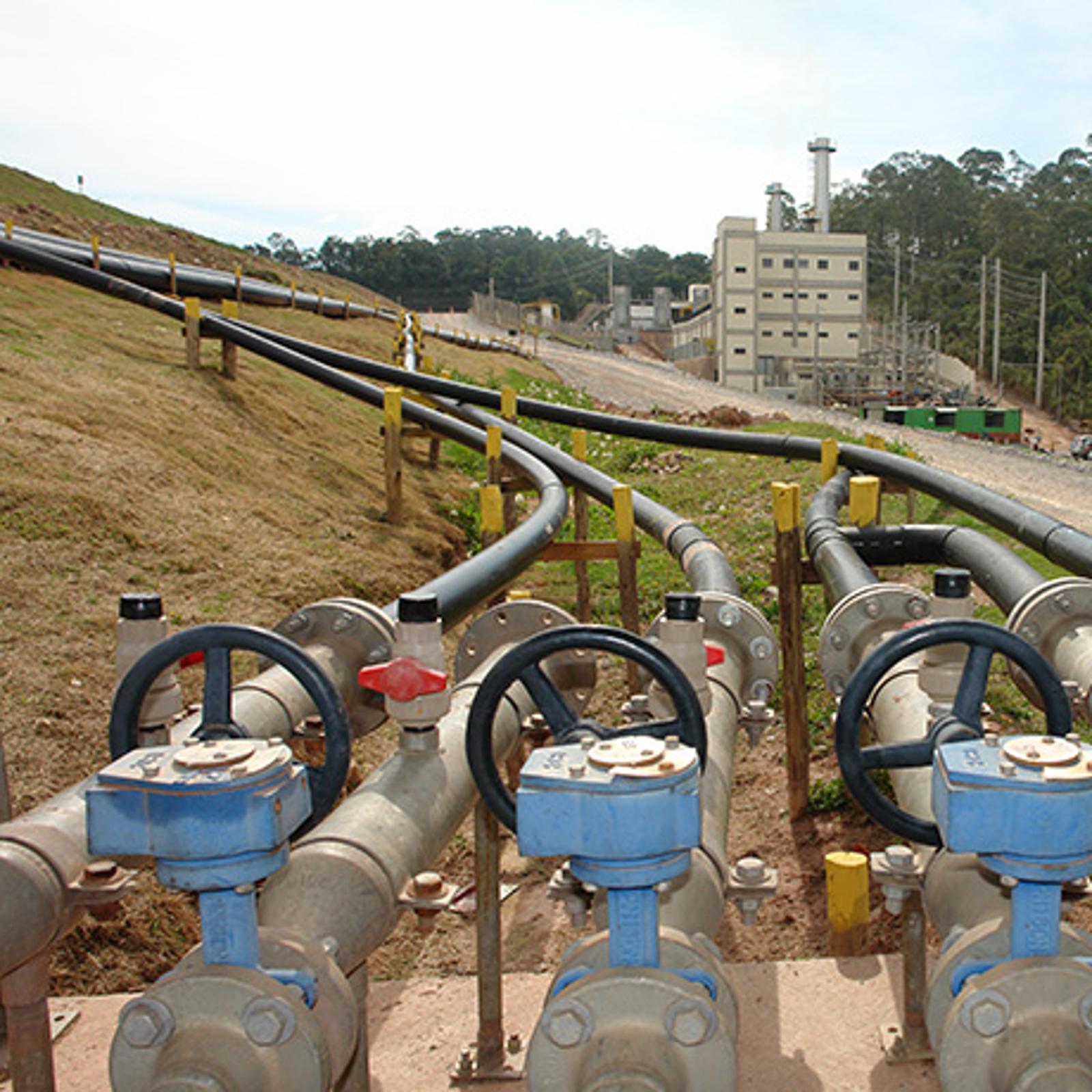
There are many options available for converting LFG into energy. There are three broad categories used for grouping different types of LFG energy projects. They are Generating Electricity, Medium-Btu Gas Direct Use, and Upgraded LFG.
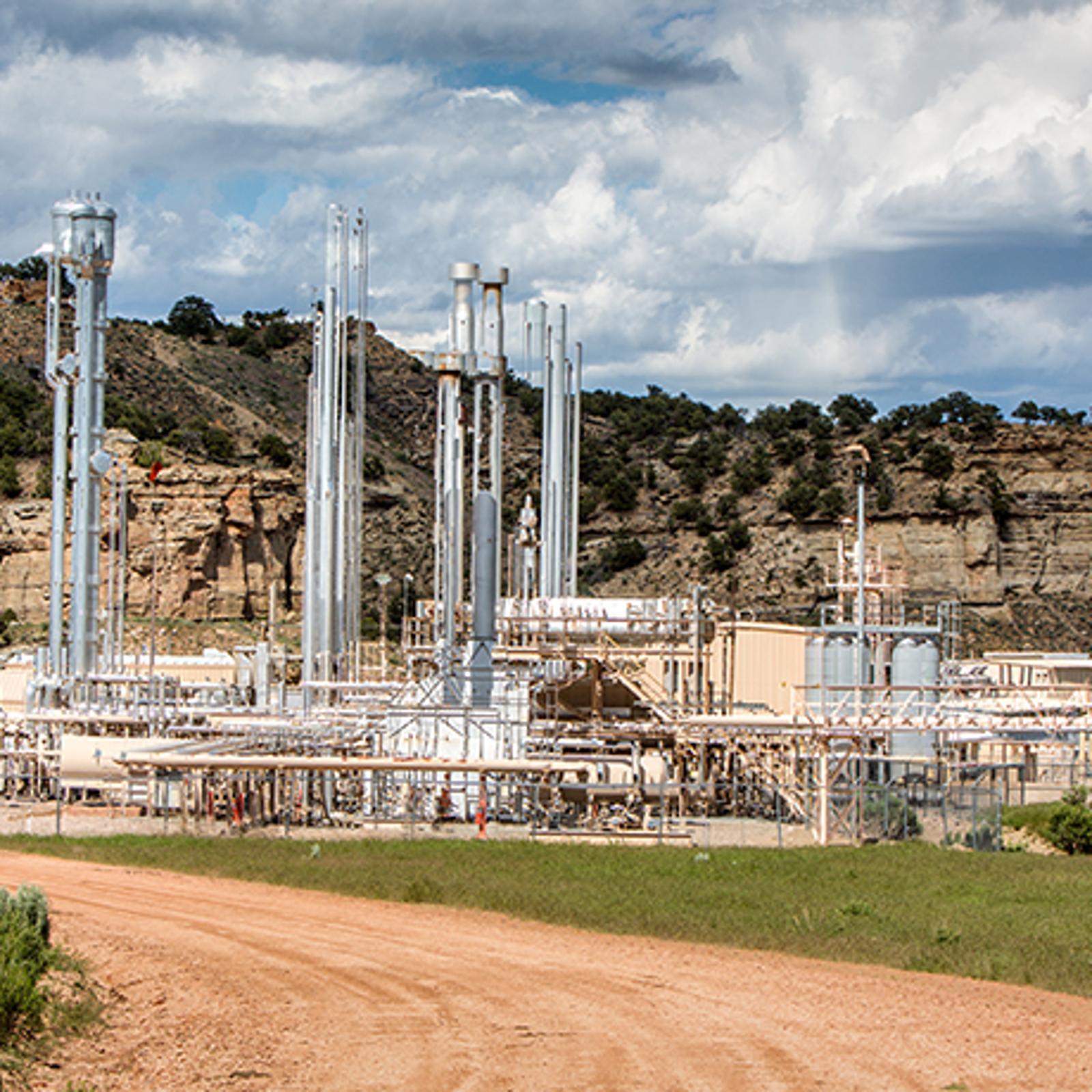
Natural Gas Gathering System
Gas-gathering applications probably account for the majority of installed reciprocating compressor horsepower in the oil and gas industry. Compressor units are generally sold to the user. The rental of compressor units is growing rapidly and is itself becoming a viable service industry.
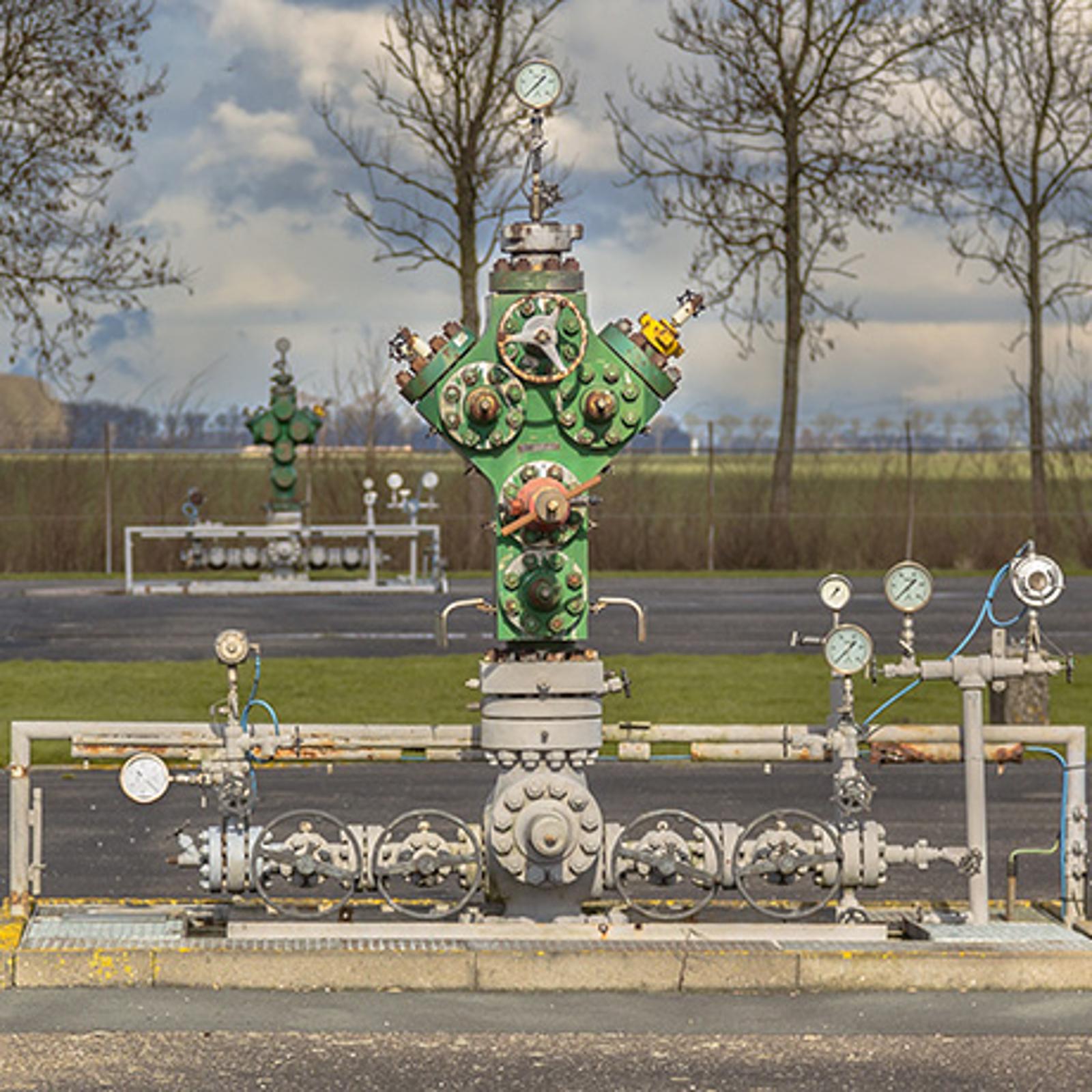
Wellhead Compression
In natural gas wells, the increase in gas velocity made possible by the use of a wellhead compressor system. This system eliminates a drop in pressure at the bottom of the borehole, eliminating production constraints due to liquid loading.
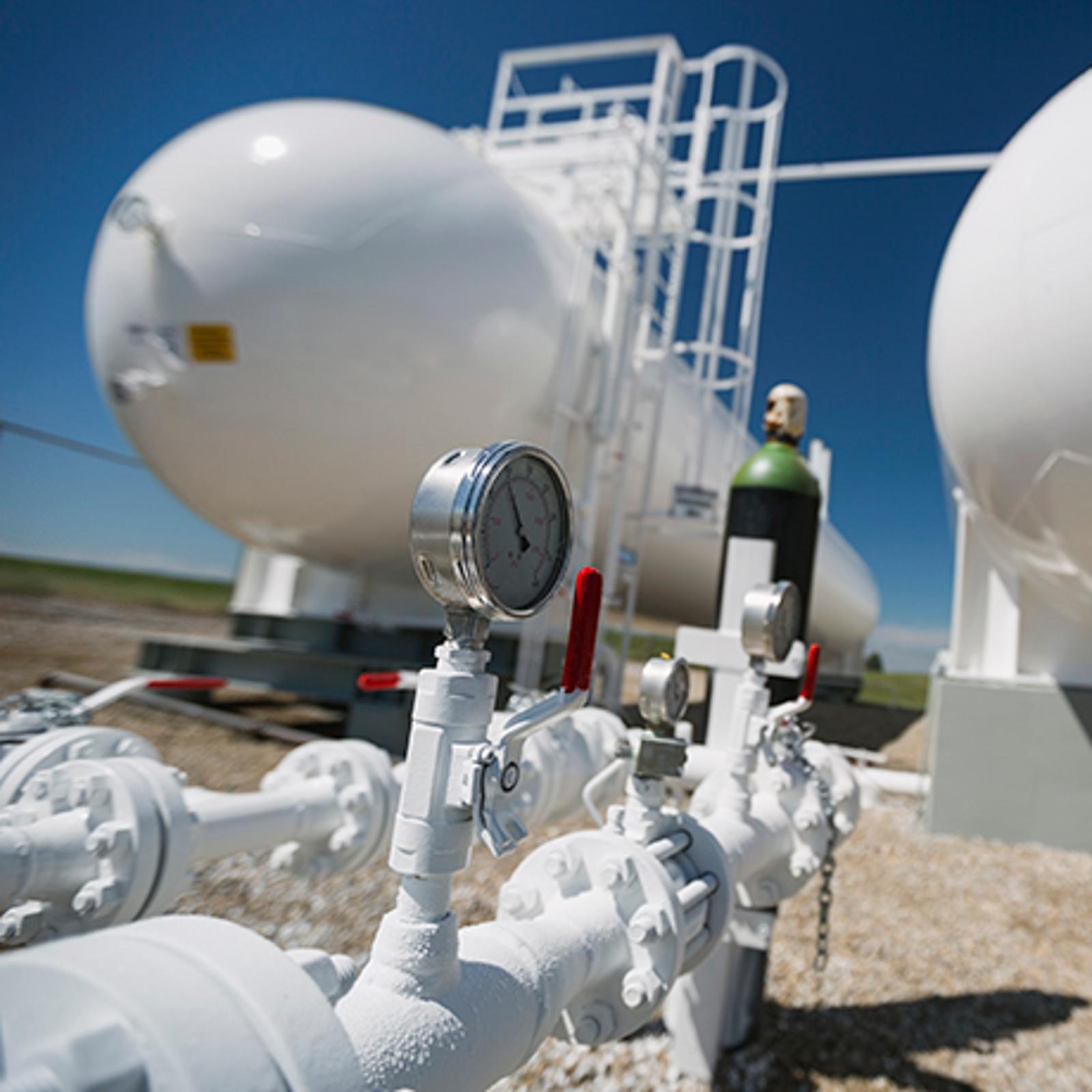
Vapor Recovery Unit and Vapor Recovery Tower
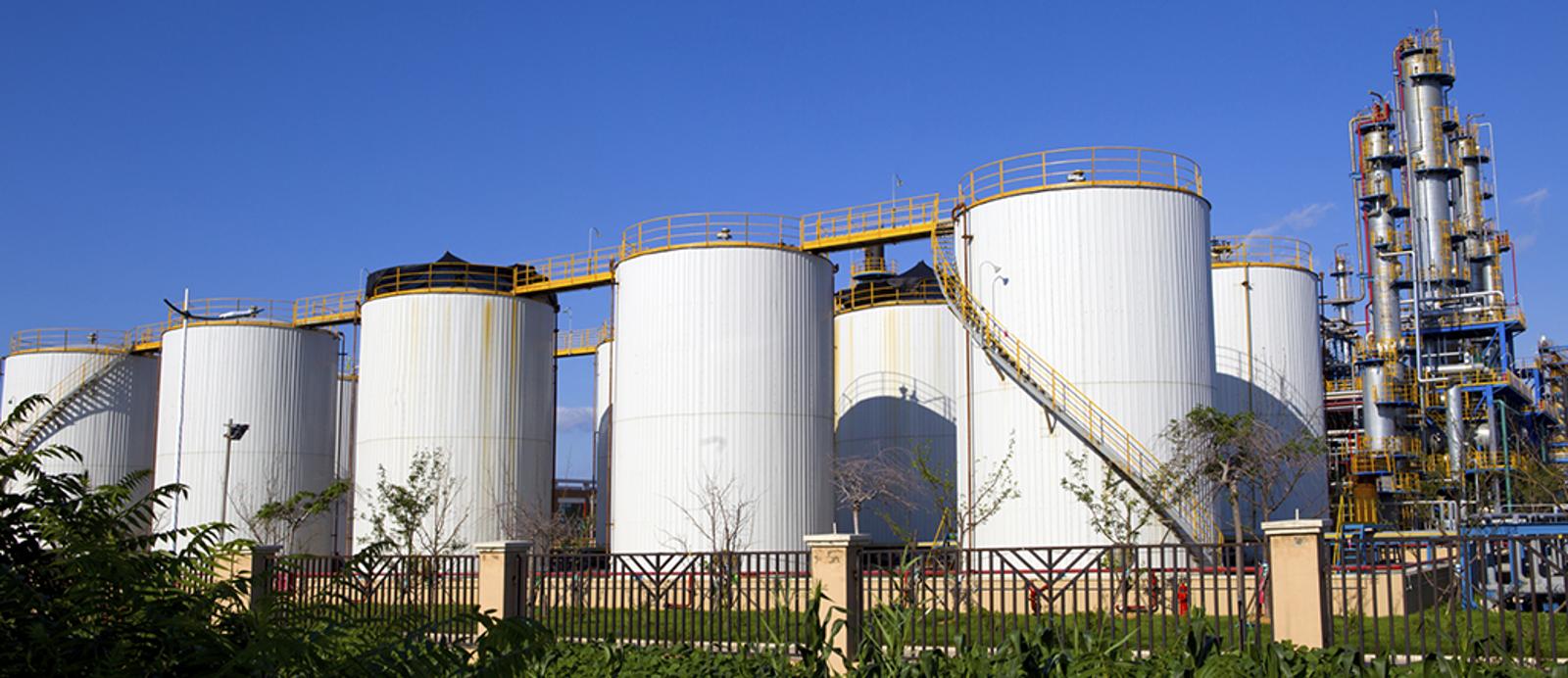
When storing or handling hydrocarbon liquids, it is important to maintain a constant pressure in the storage tank. A vapor-recovery system prevents leakage of vapors into the atmosphere. It also prevents pressure buildup that could cause structural damage to a storage tank. A slight positive pressure in the tank must be maintained to prevent inward collapse or entry of air.